

























































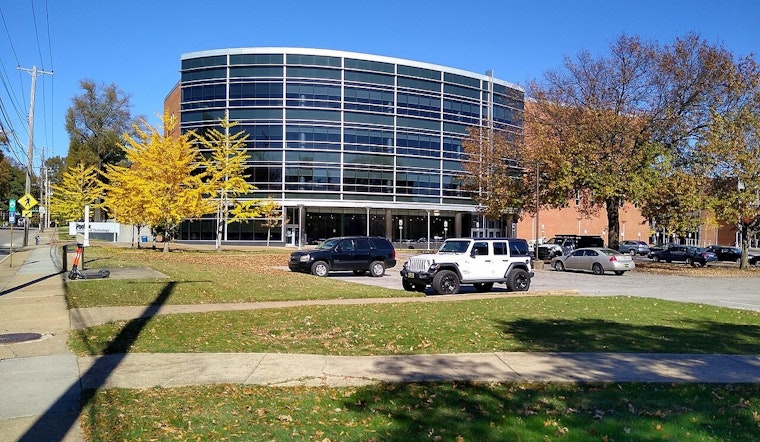
University leaders from four Mid-South institutions are set to put pen to paper on April 20, signing an agreement that creates the Mid-South AI Research Consortium and officially links their AI ambitions. The pact is designed to coordinate applied AI work across campuses, pool faculty expertise and sharpen the pipeline for student training and grant funding. For Memphis, which has been trying to grow its tech and logistics research footprint, the deal could help lock more federal and private AI projects into the city.
According to the Daily Memphian, university presidents and chancellors are expected to sign the consortium agreement during an April 20 ceremony. The coverage calls out the University of Memphis and its FedEx Institute of Technology as key players in the announcement, and notes the University of Tennessee Health Science Center as a connected partner in the new research network.
Why Regional AI Coalitions Matter Now
Federal research and infrastructure programs increasingly favor multi-campus alliances that can line up computing power, data and domain experts, which is exactly what regional consortia are built to offer. The National Science Foundation’s AI Institutes program has leaned into multi-university collaborations, while the Department of Energy’s Genesis Mission is steering funding and supercomputing resources toward AI-for-science work that rewards broad coalitions. NSF and FedScoop have laid out how those trends are reshaping the research landscape.
Memphis Brings Research Hubs And Logistics Expertise
The University of Memphis’ FedEx Institute of Technology already functions as a local hub for applied AI and logistics research, giving the consortium a ready-made base for cross-campus projects and industry ties. The FedEx Institute highlights a run of AI and supply-chain initiatives the university has pursued, and those efforts could line up neatly with health and biomedical AI projects if health-science partners come fully into the fold.
Health Research And Workforce Training Could Be Early Priorities
If the University of Tennessee Health Science Center is part of the mix, as the reporting suggests, clinical AI, biomedical data-sharing and translational work are likely to be prominent on the research agenda, while the schools look at standardizing training paths for AI-savvy graduates. UTHSC’s Memphis campus already hosts clinical and translational research capacity that would feed directly into those plans, and UTHSC points to its central campus at 920 Madison Ave. as a core site for health-science research and education.
What To Expect Next
After the April 20 signing, the colleges involved are expected to hammer out governance rules, research priorities and plans for sharing labs, data and other resources. Observers say joint grant proposals and deeper industry partnerships are likely among the early moves once the ink dries. Local officials and university representatives did not immediately respond to requests for more details; readers who want to follow the rollout can start with the initial coverage from the Daily Memphian.





